Data center reliability is improving. Still, the case for data center outage prevention is stronger than ever. The Uptime Institute Annual Outage Analysis 2026 shows that outages are less common as IT grows. Even so, major incidents still happen. Their cost keeps rising, and human action still affects the result.
For IT teams, the goal is simple: strengthen systems and cut avoidable risk wherever people work on them. The network rack is one of the most exposed spots. A patching task, a cable trace, or a last-minute change can affect a live link.
That is why structured network rack cable management matters. PATCHBOX makes rack work clearer, faster, and more controlled. It supports data center resilience and outage management. It also fits data loss prevention and disaster recovery plans, while helping reduce server downtime and protect network reliability.
Human error is still a big factor in data center outages
Tech alone does not create resilience. Uptime Institute treats human error as one factor, not the main cause. In its 2026 survey, 92% of respondents said it played at least a small role in their latest serious outage.
The most common human issue was clear: 59% said staff did not follow set steps. Other issues included bad processes, install errors, and mistakes made while systems were live.
This does not mean people are the problem. It means systems and work spaces must fit real life. Techs often work under time pressure, during maintenance windows, or while services stay live. In those moments, unclear cable paths, extra cable length, and crowded racks make even a good process harder.
Good human error prevention in data centers needs more than training. It also needs a physical setup that makes the right move easy to see and do.
Why the network rack matters
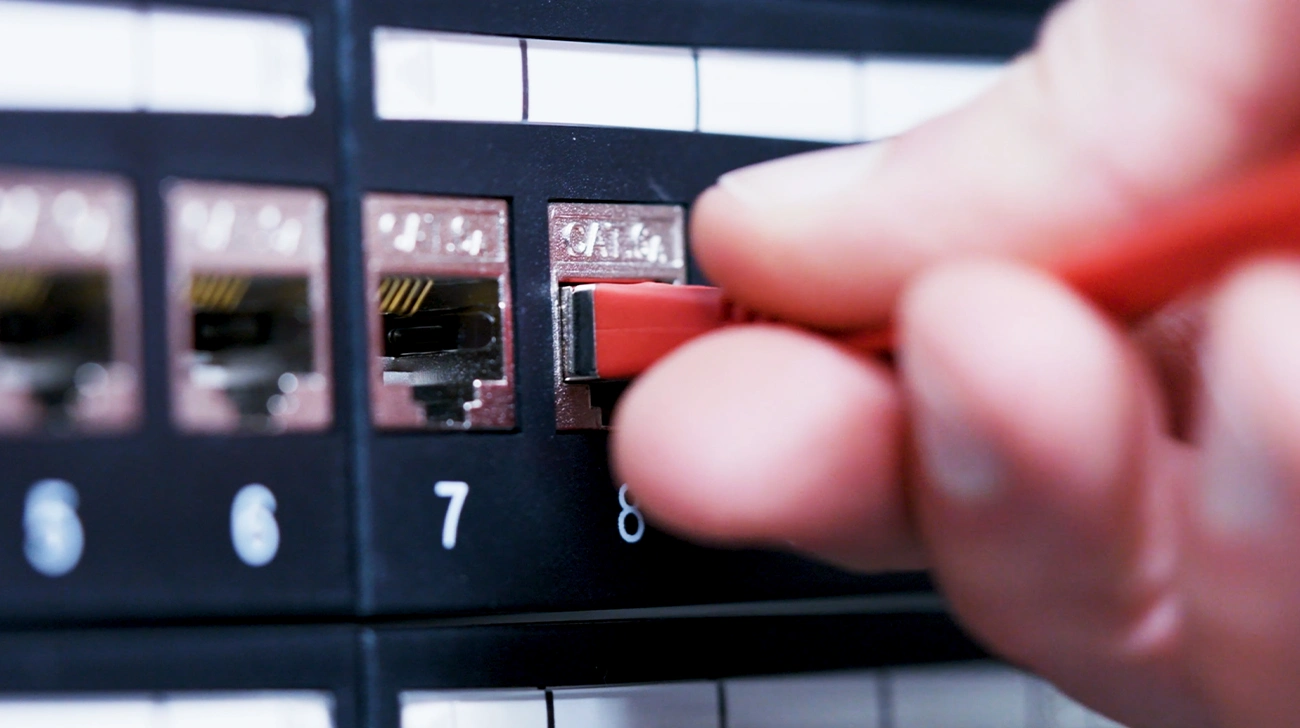
Not every network outage starts with a patch cable. But the rack is where the logical network becomes physical. It is also where people do moves, adds, and changes by hand. Common risks include:
- tracing the wrong cable through a crowded bundle
- disconnecting the wrong port
- leaving extra cable in paths or around gear
- making an urgent change without a clear route
- slowing fault checks because links are hard to follow
- letting temporary patching turn into cable clutter
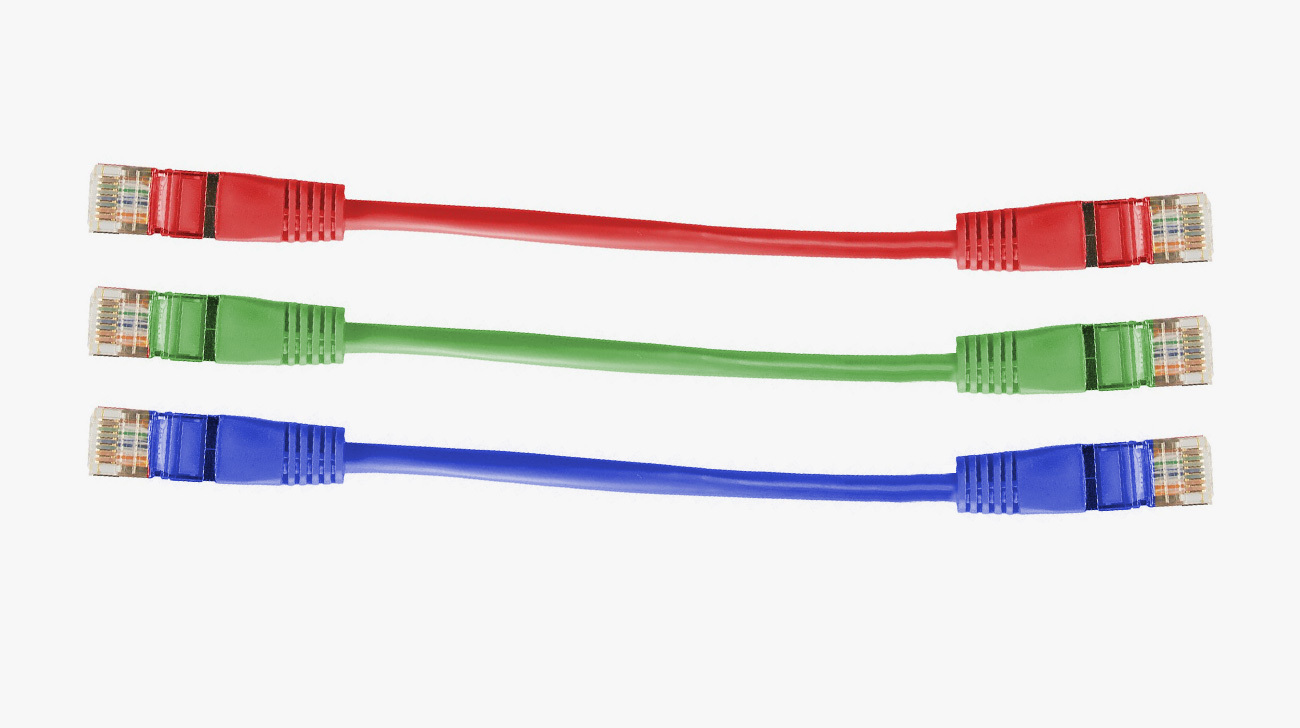
Old patch cords can pile up into thick bundles as networks grow. That extra mess can slow maintenance and troubleshooting when speed and accuracy matter most. Good patch cable management is not about looks. It is part of daily control.

Data center cable management as risk control
Procedures still matter. But the work space affects how well teams can follow them. A clear, repeatable rack layout can help in several ways.
1. Make connections easier to identify
Clean cable paths and steady organization give techs a clearer view of ports and links. This cuts the visual blur that can lead to mistakes during live work.
2. Reduce extra handling
When cable lengths are set and paths stay open, techs spend less time moving unrelated cords. Fewer touchpoints mean fewer chances to disturb a live link.
3. Support repeatable change work
Standard rack layouts make it easier to use the same process across sites and teams. That strengthens network change management, especially when different techs maintain the same gear over time.
4. Speed up troubleshooting
Clear links make it easier to find a path, check a change, and isolate a fault. Faster physical diagnosis can reduce mean time to repair, though the result still depends on the incident and the wider process.
5. Preserve rack access
Keeping cables out of gear and work areas improves access for maintenance. It can also help airflow by reducing cable clutter around active hardware.
How PATCHBOX lowers risk at the rack
PATCHBOX replaces loose patch cords with retractable cables in rack cassettes. Techs pull out only the cable length they need. Extra cable stays in the cassette instead of hanging in the rack or building a bundle
This design supports network downtime prevention by improving the work area:
- clear routes are easier to see and follow
- each change touches one cable instead of a whole bundle, so neighbouring links stay untouched
- set cable lengths cut clutter and tangles
- fewer blocking cords make ports and gear easier to reach
- a steady layout supports set steps
- unused cords are stored away, so they don’t get kinked or crushed
- moves, adds, and changes need less cable handling
The goal is not to remove people from the process. It is to remove avoidable complexity. The Uptime Institute report makes the same point: managing human error is less about perfect behavior and more about designing systems that expect mistakes and limit the damage.
A PATCHBOX customer implementation at Flying Circus shows the effect. The company said old cabling made tracing and removal slow. After PATCHBOX was added to the network redesign, exact cable lengths cut cable volume, and better order made connections easier to manage.