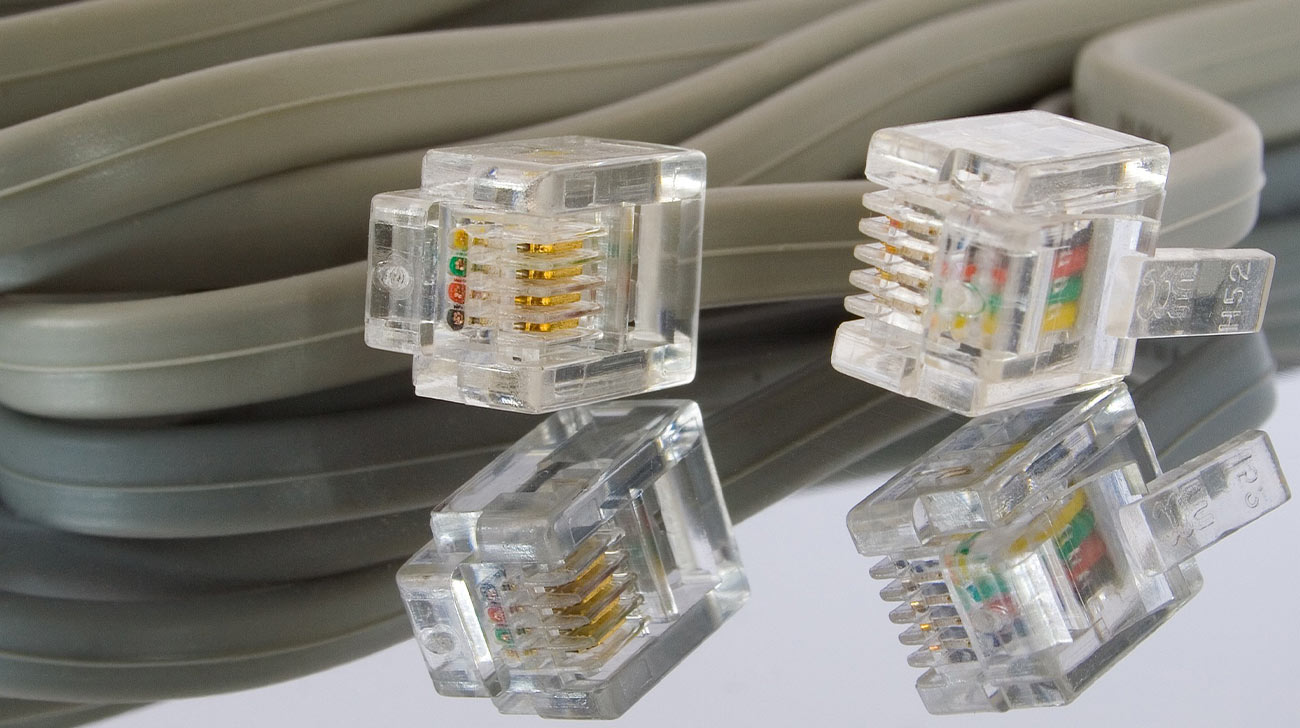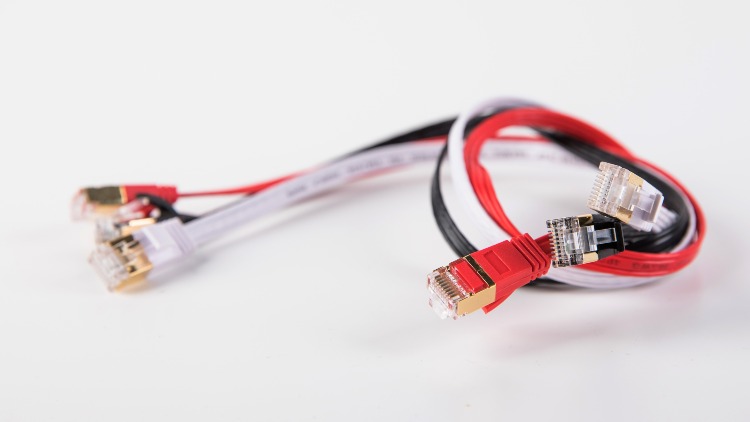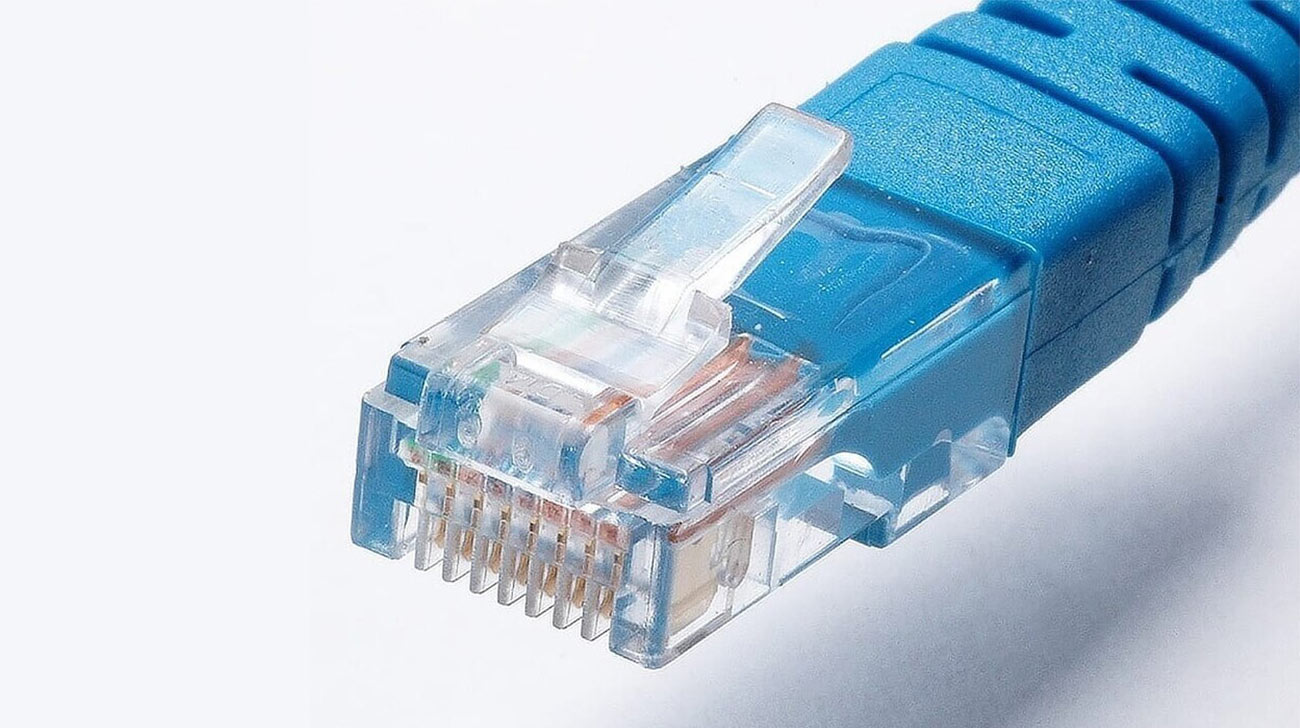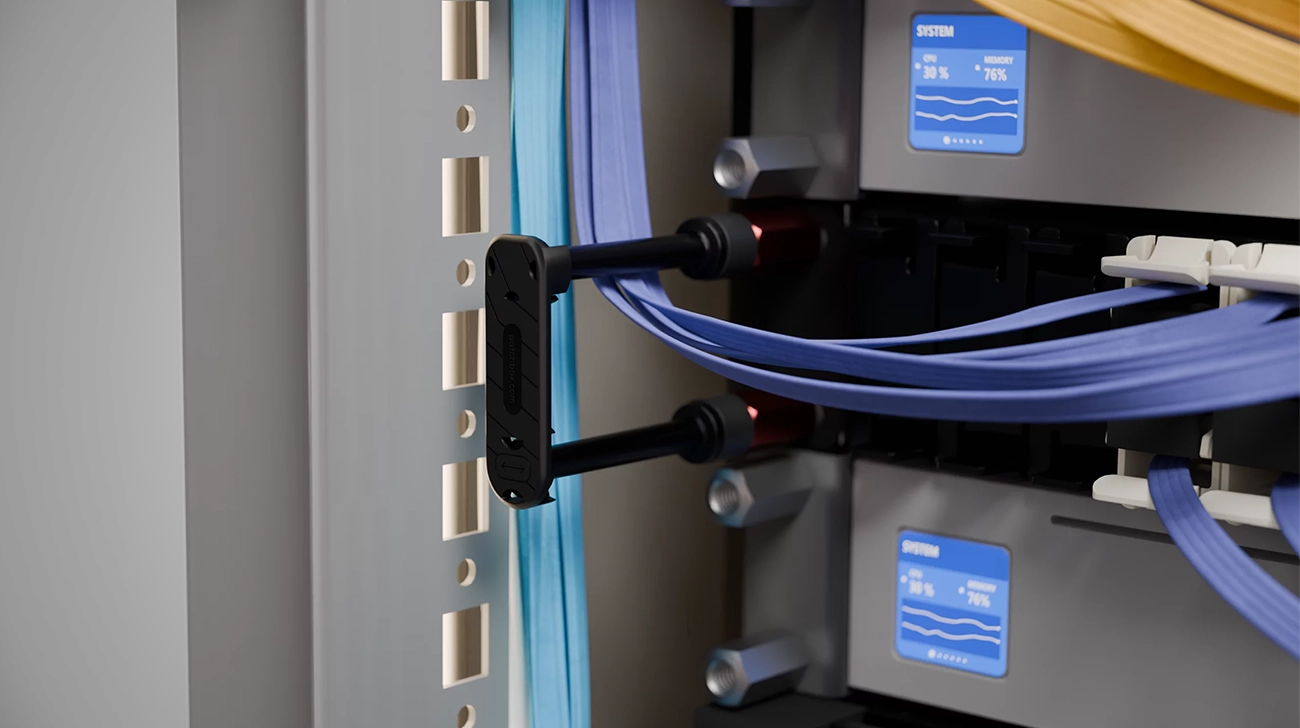
Whether round or flat Ethernet cables, long or short ones – the pure cable price is rarely a relevant budget factor in most projects. The price differences are marginal.
The real costs only arise afterward: during installation, changes, maintenance, and day-to-day rack operation. This is exactly what is rarely talked about. Yet these factors determine whether a cabling solution is cost-effective or expensive in the long run.
In this article, we show why patch cables, when viewed over their entire lifecycle, are rarely the most economical option – and what measurable impact modern cable management with PATCHBOX can have. At the end, you can calculate for yourself when the investment pays off.
Spoiler: The result might surprise you.
The Hidden Costs Behind Traditional Cabling
Let’s start with three factors that are often overlooked when discussing the cost of patch cables. The real effort begins after the cable is purchased – with the work inside the rack.
Cost Factor 1: Installation & Changes
Anyone who has tried to neatly cable a rack and properly store excess cable length knows how time-consuming this can be. It becomes even more complex when changes are required: from the very first change, chaos begins.
Labels no longer match, cable lengths don’t fit, patch cables start hanging loose, and in the worst case, the rack can no longer even be closed.
Cabling and changes inside network cabinets are extremely time-intensive – and labor time is valuable. This is a cost factor that is often ignored in cabling projects.
Example: Replacing a single switch can easily take up to an hour. When extrapolated to the number of changes required per year, the resulting costs quickly exceed the pure cable price many times over.
Tip: With PATCHBOX, replacing a switch becomes a job of under 5–10 minutes – without tedious re-cabling.
Further down, we’ll show you how to calculate this concretely for your own rack using the ROI Calculator.
Cost Factor 2: Complicated Troubleshooting
When chaos reigns inside the network cabinet, identifying faults turns into detective work. Poor labeling, overcrowded patch panels, tangled routes, and dangling cables make troubleshooting unnecessarily difficult.
Once again, time is money. And to be honest, we should also factor in delays to daily business operations – not just the technicians’ working hours.
(PATCHBOX): Up to 70% of network issues are caused by poor cabling or damaged cables.
In the worst case, the entire system comes to a standstill – which brings us to the final cost driver that is often overlooked.
Cost Factor 3: Increased Downtime
Cable clutter inside network cabinets is one of the most common causes of system failures and can have serious consequences:
- Air circulation is restricted, causing devices to overheat more quickly.
- Tangled or frequently bent cables damage hardware, resulting in faulty or interrupted data transmission. In most cases, the damage isn’t even visible from the outside.
- If the network cabinet can no longer be properly closed, the risk of unauthorized (physical) access increases.
(PATCHBOX): Every second of system downtime costs money – according to IT analyst Gartner, an average of €5,600 per minute.
Ready for the Real Cost Truth?
So cables themselves are not the real cost factor. It’s the ongoing effort required for installation, changes, and maintenance. Over time, these costs add up – especially in environments with frequently changing configurations.
This is where PATCHBOX comes into play, turning the investment into a long-term payoff.
PATCHBOX: Pays Off Faster Than Expected
Our cable management system directly addresses the problems of traditional cabling and is designed as a long-term solution. Bottom line: patchbox.one is not more expensive – it actually reduces your costs thanks to key PATCHBOX benefits:
- Up to 50% more space in the rack
- 8× faster installation
- Fail-safe system design
The ROI Calculator: “Now I Want to Know!”

The exact savings potential can finally be calculated transparently and clearly. With our new online tool, you can calculate your return on investment based on real-world figures.
All it takes are a few key details, such as the number of switches used, rack units, and average annual maintenance hours.
After just a few clicks, you’ll see your results instantly. If you have any questions or would like more details about ongoing costs, feel free to reach out – our team is happy to help.